Last Updated:
May 22, 2026
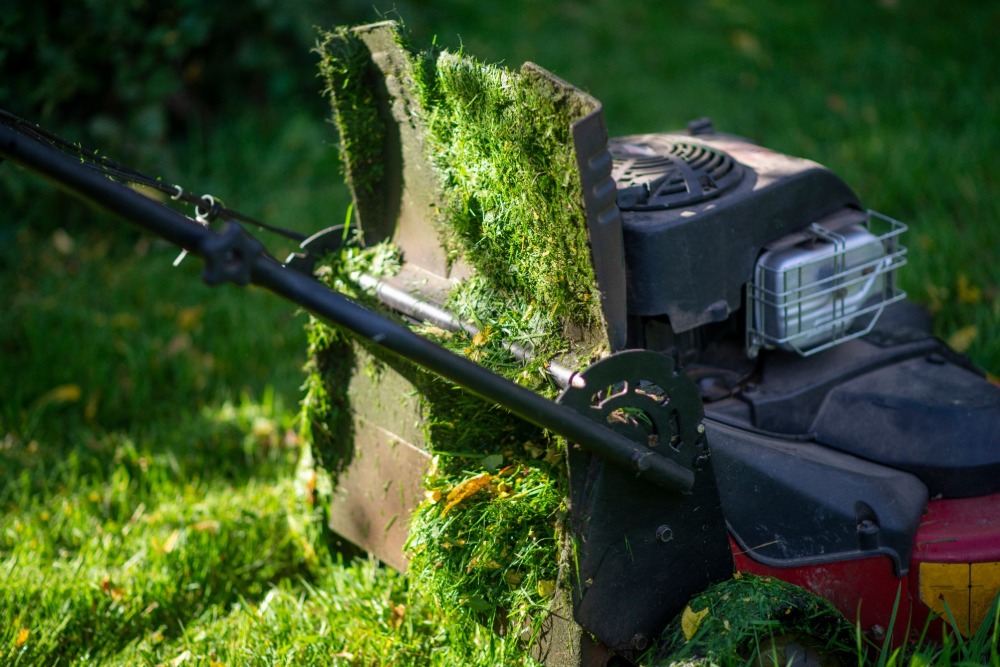
It may seem harmless to mow your lawn right after a rainstorm or after a watering session, but wet mowing conditions can create long-term problems for both the grass and the equipment being used. While it might save time in the moment, cutting wet turf often leads to uneven results, lawn stress, soil damage, and increased disease activity.
In most cases, waiting until the lawn dries is one of the simplest ways to protect turf health and improve mowing quality. Dry grass stands upright, cuts evenly, and recovers faster after trimming. Wet grass behaves very differently, and those differences can affect the lawn for days or even weeks afterward.
Grass blades become heavier and more flexible when covered in water. Instead of remaining upright and rigid, wet blades fold over and stick together. This makes it harder for mower blades to lift and cut the grass evenly, resulting in jagged patches and inconsistent height across the lawn.
The problem extends beyond appearance. Grass plants rely on healthy leaf tissue to absorb sunlight and regulate moisture. When mower blades tear through damp grass instead of cutting cleanly, the damaged edges become more vulnerable to stress and disease.
Wet conditions also change how mower tires interact with the lawn surface. Soft ground compresses more easily under weight, which can damage soil structure and weaken root development.
One of the clearest signs of mowing wet grass is an inconsistent finish. Since damp blades clump together and bend under their own weight, the mower often misses sections entirely while cutting other areas too short.
This creates a patchy appearance that may require additional mowing once the lawn dries. In some situations, homeowners end up mowing the same lawn twice simply because the first cut produced poor results. Wet mowing commonly causes:
Excess moisture already increases the likelihood of fungal activity in turfgrass. Mowing while the lawn is wet can make the situation worse by spreading fungal spores across larger portions of the yard.
Freshly cut grass is more exposed and vulnerable than uncut turf. If fungal pathogens are present, wet mowing conditions create the perfect environment for diseases to spread quickly. Lawns that are repeatedly mowed while damp may become more susceptible to issues such as brown patch, dollar spot, and other moisture-related turf diseases.
The risk is especially high during humid weather or periods of frequent rainfall when grass struggles to dry completely between mowing sessions.
Many homeowners focus only on the visible appearance of the lawn, but the soil underneath can suffer just as much when mowing wet turf. Saturated ground compresses more easily beneath mower wheels, especially with heavier riding mowers or zero-turn equipment.
Compacted soil reduces airflow around the roots and limits the movement of water and nutrients below the surface. Repeated compaction can contribute to shallow root systems and weaker turf overall. In severe cases, wet mowing can leave physical ruts or wheel marks that remain visible long after the lawn dries.
Dry clippings usually disperse evenly across the lawn and break down naturally. Wet clippings behave differently. Because they stick together, they often form thick piles across the yard or inside the mower deck.
Large clumps block sunlight and trap moisture against the grass underneath. This can smother sections of turf and create ideal conditions for fungal growth. Heavy buildup inside the mower can also reduce airflow, making the machine less effective and harder to clean afterward. Common clipping-related issues include:
Moisture affects more than the lawn itself. Wet grass places additional strain on mower components and can shorten the lifespan of certain parts if mowing in damp conditions becomes a habit.
Grass clippings stick aggressively to mower decks, belts, and discharge chutes when wet. This buildup can reduce airflow and force the mower to work harder than normal. Trapped moisture may also contribute to rust and corrosion on metal surfaces. Mower blades tend to dull faster as well because they struggle to cut cleanly through damp, heavy grass tissue.
Sometimes weather patterns make it difficult to wait for perfectly dry conditions, especially during long rainy stretches in spring or summer. If the lawn becomes excessively tall, mowing may eventually become necessary before conditions are ideal.
When mowing damp grass cannot be avoided, it helps to minimize stress on the lawn and equipment by moving more slowly, raising the mowing height slightly, and cleaning the mower thoroughly afterward. Sharpened blades also become especially important under wet conditions because dull blades increase tearing. Even then, slightly damp grass is far safer to mow than fully saturated turf.
Patience often leads to a healthier and better-looking lawn. Allowing grass to dry before mowing improves cut quality, reduces disease risk, and minimizes unnecessary stress on the turf. It also makes mowing faster and easier overall because the mower operates more efficiently in dry conditions.
A lawn that is consistently mowed while dry tends to develop cleaner stripes, more even density, and stronger long-term growth. In many cases, simply delaying mowing for a few hours after rainfall can dramatically improve the final result.
Q: Is it okay to mow grass with morning dew on it?
A: Light dew is less harmful than saturated grass, but it’s still best to wait until the lawn dries fully.
Q: Why does wet grass clump so badly when mowing?
A: Moisture causes clippings to stick together instead of dispersing evenly.
Q: Can mowing wet grass damage my mower?
A: Repeated wet mowing can increase wear, clog mower components, and contribute to rust buildup.
Q: Does mowing wet grass spread lawn disease?
A: Yes. Wet conditions can help fungal spores move more easily across the lawn.
Q: What happens if mower wheels leave ruts in the lawn?
A: Soil compaction and visible wheel marks can weaken grass growth in those areas.
Q: How long should I wait after rain before mowing?
A: It depends on temperature, sunlight, and soil drainage, but waiting until the grass is dry to the touch is usually best.


