Last Updated:
January 24, 2026
The difference between pre-emergent and post-emergent weed control comes down to when and how they work. Pre-emergent weed control prevents weeds by stopping seed germination, while post-emergent weed control targets weeds that have already emerged and are actively growing. Both play important but very different roles in a complete lawn care program, and understanding how they work together is key to maintaining a healthy, weed-resistant lawn.
To understand why pre-emergent and post-emergent treatments are so different, it helps to understand the weed life cycle. Most lawn weeds spread through seeds that remain dormant in the soil until conditions are right. Temperature, moisture, and sunlight trigger germination, allowing weeds to emerge and compete with turfgrass for space, nutrients, and water.
Some weeds complete their life cycle in one season, while others return year after year. Because weeds don’t all grow at the same time or in the same way, controlling them requires different strategies at different stages of growth.
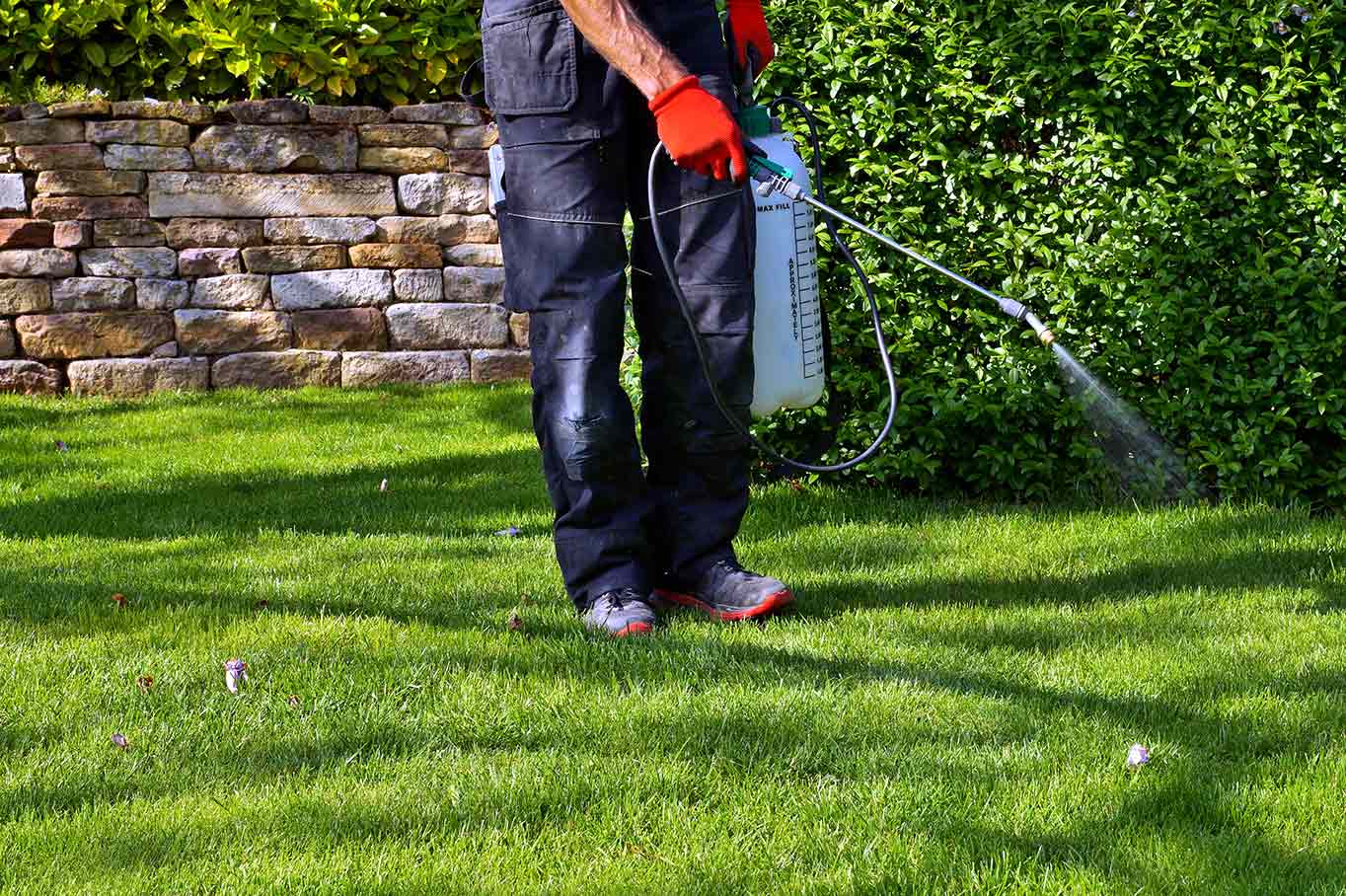
Pre-emergent weed control works before weeds ever break through the soil surface. These products create a barrier in the top layer of soil that disrupts root development as weed seeds begin to germinate. While the seed may sprout, it cannot establish a root system and dies before becoming visible.
Pre-emergents are most commonly used to prevent annual weeds. Timing is critical, because if the product is applied after weeds have already emerged, it will not be effective. Pre-emergent weed control is best described as proactive lawn care. It doesn’t eliminate existing weeds, but it dramatically reduces the number that appear in the first place.
Pre-emergents are most commonly used to prevent annual weeds like:
The effectiveness of pre-emergent weed control depends almost entirely on timing. Applications must be made before soil temperatures reach the point where weed seeds begin to germinate. If applied too early, the barrier may weaken before peak germination. If applied too late, weeds may already be growing.
Consistent watering after application is also essential, as moisture helps move the product into the soil where it can form an effective barrier. Disturbing the soil after application, such as through heavy raking or aeration, can break that barrier and reduce effectiveness.

Post-emergent weed control targets weeds that are already visible and actively growing. These products are absorbed through the leaves or stems of weeds and work by disrupting growth processes within the plant.
Post-emergent treatments can be selective or non-selective. Selective products are designed to control specific weeds without harming turfgrass, while non-selective products kill most plants they contact. Because post-emergents rely on plant uptake, they are most effective when weeds are young, healthy, and actively growing. Unlike pre-emergents, post-emergent weed control is reactive. It addresses existing weed problems rather than preventing future ones.
Weeds are much easier to control when they are small and actively growing. Younger weeds absorb treatments more efficiently and have fewer energy reserves to recover from damage. As weeds mature, their root systems strengthen, and control becomes more difficult. Applying treatments under the right conditions improves both speed and consistency of results.
Post-emergent effectiveness is influenced by:
Pre-emergent and post-emergent weed control are complementary tools. Pre-emergents reduce the number of weeds that ever appear, while post-emergents address the weeds that slip through or emerge outside typical germination windows.
A lawn that relies on only one approach often struggles with recurring weed problems. Pre-emergent applications without post-emergent follow-up allow established weeds to spread. Post-emergent-only programs fight constant outbreaks without addressing the root cause.
Using both methods strategically leads to fewer weeds, less stress on turfgrass, and a more consistent lawn appearance throughout the year.
No two lawns have the same weed pressures. Grass type, climate, soil conditions, and mowing practices all influence which weeds appear and when. A successful weed control plan considers seasonal timing, turf health, and proper application techniques rather than relying on a single treatment.
Healthy, dense grass is also part of weed prevention. Proper mowing height, watering, and fertilization help turf compete naturally, making both pre-emergent and post-emergent treatments more effective.
Q: Can pre-emergent kill existing weeds?
A: No. Pre-emergent products only prevent new weeds from sprouting. They do not affect weeds that are already growing.
Q: Can I apply pre-emergent and post-emergent at the same time?
A: In some cases, yes. Certain lawn care programs combine both, but timing and product compatibility matter. Applying the wrong combination can reduce effectiveness or stress the lawn.
Q: How long does pre-emergent weed control last?
A: Most pre-emergent products remain effective for several weeks to a few months, depending on the product and environmental conditions like rainfall and soil disturbance.
Q: How soon will I see results from post-emergent treatments?
A: Visible results typically appear within a few days to two weeks, depending on the weed type, product used, and growing conditions.
Q: Does mowing affect weed control results?
A: Yes. Mowing too soon before or after application can reduce absorption of post-emergent treatments and disturb pre-emergent soil barriers.
Q: Do I still need weed control if my lawn looks healthy?
A: Yes. Even healthy lawns contain dormant weed seeds. Preventative and corrective weed control helps keep problems from developing later in the season.


