Last Updated:
March 14, 2026
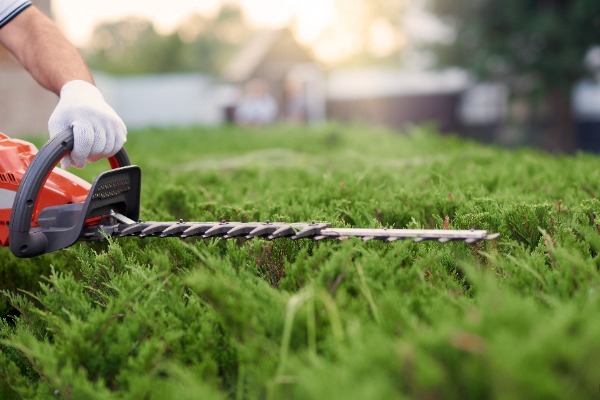
Shrub trimming plays a major role in keeping a landscape healthy, attractive, and manageable, but it’s also one of the most commonly misunderstood yard care tasks. Many homeowners trim shrubs with good intentions, only to end up with stunted growth, bare spots, or plants that look worse instead of better. Most trimming problems don’t come from neglect; most bush trimming issues come from trimming at the wrong time, in the wrong way, or for the wrong reasons.
Over-trimming is a common mistake that often happens when bushes have been neglected for too long. Homeowners may try to “fix” the problem in one session by cutting shrubs back aggressively, which can shock the plant and reduce its ability to recover. Excessive trimming forces shrubs to focus on survival instead of healthy, balanced growth, often resulting in weak branches and sparse foliage.
To prevent over-trimming:
Another frequent mistake is trimming shrubs into shapes that don’t match their natural growth habit. While uniform or geometric shapes may look appealing at first, forcing a plant into an unnatural form creates ongoing maintenance issues and internal stress. Shrubs trimmed against their natural shape often develop bare spots, uneven regrowth, and structural weakness over time.
To avoid fighting a shrub’s natural shape:
Tool choice plays a major role in trimming success, yet it’s often overlooked. Dull blades tear branches instead of cutting them cleanly, leaving wounds that heal slowly and invite disease. Using hedge trimmers for detailed work can also damage plant structure by removing growth indiscriminately rather than selectively.
To avoid tool-related trimming problems:
Repeatedly trimming only the outer surface of shrubs leads to dense exterior growth and hollow interiors. While bushes may appear full from a distance, the lack of sunlight and airflow inside the plant weakens internal branches and increases disease risk. This mistake is especially common when hedge trimmers are used exclusively.
To maintain healthy growth throughout the shrub:
Focusing solely on how a shrub looks can lead to trimming decisions that harm long-term health. Cutting branches just to create symmetry often ignores structural issues, dead wood, or crossing branches that weaken the plant. Over time, this approach results in shrubs that look neat briefly but struggle to thrive.
To prioritize plant health while trimming:
Many homeowners treat trimming as the final step, overlooking the importance of post-trimming care. Fresh cuts place temporary stress on shrubs, especially during hot or dry weather. Without proper watering and protection, trimmed plants may recover slowly or unevenly.
To support shrubs after trimming:
Q: How often should bushes be trimmed?
A: Most shrubs only need trimming once or twice per year, depending on the species and growth rate. Over-trimming is more harmful than trimming too infrequently.
Q: Is it okay to trim bushes in summer?
A: Light trimming is usually fine, but heavy pruning during extreme heat can stress plants. Major trimming is often best done during dormancy or immediately after flowering.
Q: Can improper trimming permanently damage a shrub?
A: Yes. Repeated poor trimming practices can weaken shrubs, reduce flowering, and create growth patterns that are difficult to correct.
Q: What’s the difference between trimming and pruning?
A: Trimming focuses on maintaining shape and size, while pruning removes specific branches for health, structure, and long-term growth.
Q: Why do my bushes grow back uneven after trimming?
A: Uneven regrowth is often caused by cutting too much at once, trimming at the wrong time, or relying only on surface cuts instead of selective thinning.
Q: When should I hire a professional for bush trimming?
A: If shrubs are overgrown, damaged, or consistently struggling after trimming, professional care can restore proper structure and prevent further issues.


