Last Updated:
March 14, 2026
Yes, mulch is absolutely worth the investment for most landscapes. While it may seem like a purely cosmetic upgrade at first, mulch provides a wide range of practical benefits that directly improve soil health, plant performance, and long-term maintenance costs.
From conserving moisture and regulating soil temperature to suppressing weeds and protecting plant roots, mulch delivers value well beyond its upfront cost.
Many homeowners view mulch as a finishing touch that makes flower beds look neat and polished, but its real value lies beneath the surface. Mulch acts as a protective barrier between the soil and the surrounding environment. It moderates extreme conditions, reduces stress on plants, and improves the growing environment in ways that bare soil simply cannot.
Without mulch, soil is exposed to direct sunlight, heavy rainfall, wind, and temperature swings. This exposure leads to faster moisture loss, soil compaction, erosion, and increased weed pressure. Mulch helps stabilize the soil environment, which allows plants to establish stronger root systems and grow more consistently throughout the season.
Although mulch requires an upfront investment, it often reduces long-term landscape costs. Healthier plants require fewer replacements, weed control becomes less intensive, and watering needs decrease. Over time, these savings can outweigh the cost of purchasing and installing mulch.
When mulch is viewed as a preventive measure rather than a cosmetic expense, its value becomes much clearer. It helps avoid common landscape problems before they start, saving both time and money.
According to data from HomeAdvisor’s mulch cost guide, the average mulching project costs around $180, with most homeowners spending between $100 and $350 depending on size, mulch type, and delivery or labor fees. To understand the investment installing mulch can be, you must first understand the upfront costs of mulch.
Typical mulch material costs include:
Skipping mulch may save money upfront, but it often leads to higher long-term landscape costs. Without mulch, soil is exposed to environmental stress, weeds spread more easily, and plants are more likely to decline or fail.
Potential costs of not installing mulch include:
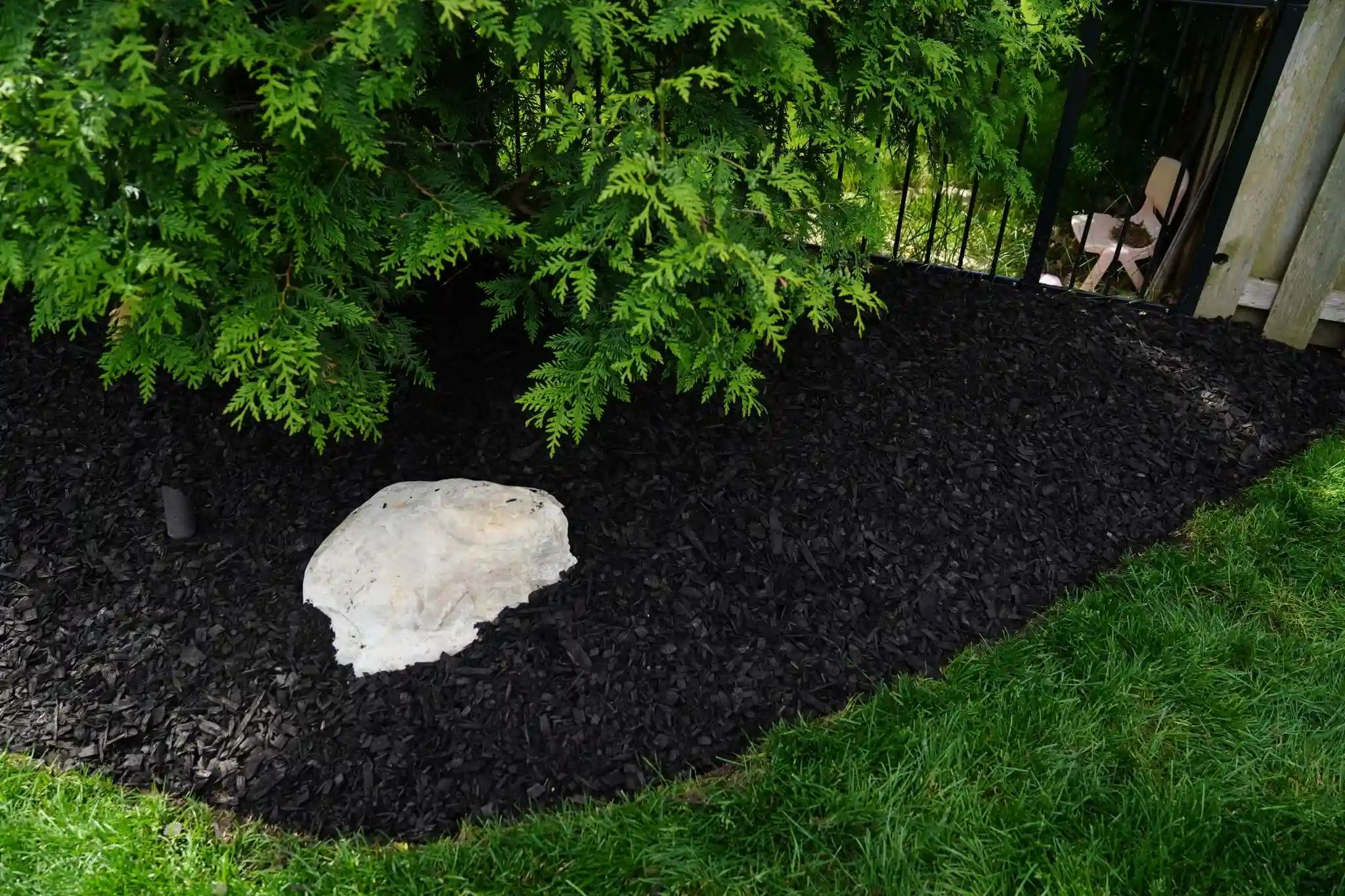
One of the most significant benefits of mulch is its ability to retain soil moisture. By covering the soil surface, mulch slows evaporation and helps keep moisture where plant roots can access it. This is especially important during hot weather, dry spells, or in landscapes that require regular irrigation.
Moisture retention not only benefits plant health but also reduces how often watering is needed. Over time, this can lower water usage and utility costs while promoting deeper, more resilient root growth. Plants that experience consistent moisture levels are less stressed and better equipped to handle heat and drought.
Soil temperature fluctuates far more than many homeowners realize. During summer, exposed soil can heat up rapidly, placing stress on plant roots and reducing nutrient uptake. In cooler months, sudden drops in temperature can shock roots and slow growth.
Mulch acts as insulation for the soil, buffering these extremes. It keeps soil cooler in the summer and warmer in the winter, creating a more stable environment for roots year-round. This temperature regulation is especially valuable for newly planted shrubs, trees, and perennials that are still establishing themselves.
Weeds thrive in exposed soil where sunlight can easily reach weed seeds. Mulch limits this access by blocking light and creating a physical barrier that makes it harder for weeds to germinate and emerge. While mulch does not eliminate weeds entirely, it dramatically reduces their numbers and slows their growth.
Fewer weeds mean less time spent pulling or spraying and less competition for water and nutrients. This benefit alone often justifies the cost of mulch, especially in larger landscape beds where weed maintenance can become time-consuming and frustrating.
Organic mulches such as wood chips, bark, and shredded leaves break down gradually and add organic matter to the soil. This slow decomposition improves soil structure, increases microbial activity, and enhances nutrient availability. Healthier soil leads to healthier plants, which require less intervention and recover more quickly from stress.
As soil quality improves, it becomes better at retaining moisture and nutrients, further amplifying the benefits of mulching. This long-term improvement means mulch continues to pay off year after year rather than acting as a one-time upgrade.
Mulch provides benefits in nearly all landscapes, but it is particularly valuable in newly planted beds, around trees and shrubs, in areas prone to weeds, and in regions with temperature extremes. In these situations, mulch plays a critical role in plant establishment and long-term success.
Even established landscapes benefit from periodic mulch replenishment, as organic mulch breaks down over time and continues to improve soil quality.
Q: Is mulch really necessary if my plants are already established?
A: Yes. Even established plants benefit from moisture retention, temperature regulation, and improved soil health provided by mulch.
Q: How often does mulch need to be replaced?
A: Most organic mulches should be refreshed once a year or as they break down and thin out over time.
Q: Can mulch cause problems if applied incorrectly?
A: Yes. Applying mulch too thickly or piling it against plant stems can trap moisture and lead to rot. Proper depth and placement are important.
Q: Does mulch eliminate weeds completely?
A: No, but it significantly reduces weed growth and makes remaining weeds easier to manage.
Q: Is mulch better than landscape fabric?
A: Mulch and fabric serve different purposes, but organic mulch improves soil health over time, while fabric does not.
Q: Is professional mulch installation worth it?
A: For large beds or sloped areas, professional installation ensures proper depth, coverage, and long-lasting results.


