Last Updated:
January 24, 2026
Lawn aeration is one of the most beneficial practices for improving turf health, but many homeowners unintentionally reduce or completely negate the benefits by making common mistakes. Simply poking holes in the soil once a year is not enough to properly aerate your lawn.
When done correctly, aeration relieves soil compaction, improves water and nutrient movement, and encourages deeper root growth. Keep reading to learn how to avoid common aeration mistakes.
One of the most frequent mistakes homeowners make is aerating at the wrong time. Aeration should coincide with your grass’s active growing season so it can recover quickly and take advantage of the improved soil conditions. Aerating when grass is dormant or under stress can slow recovery, leave the lawn vulnerable to weeds, and limit the benefits of the process.
Timing mistakes often happen when homeowners aerate simply because the soil feels hard, rather than considering the growth cycle of their turf.
How to avoid this mistake:
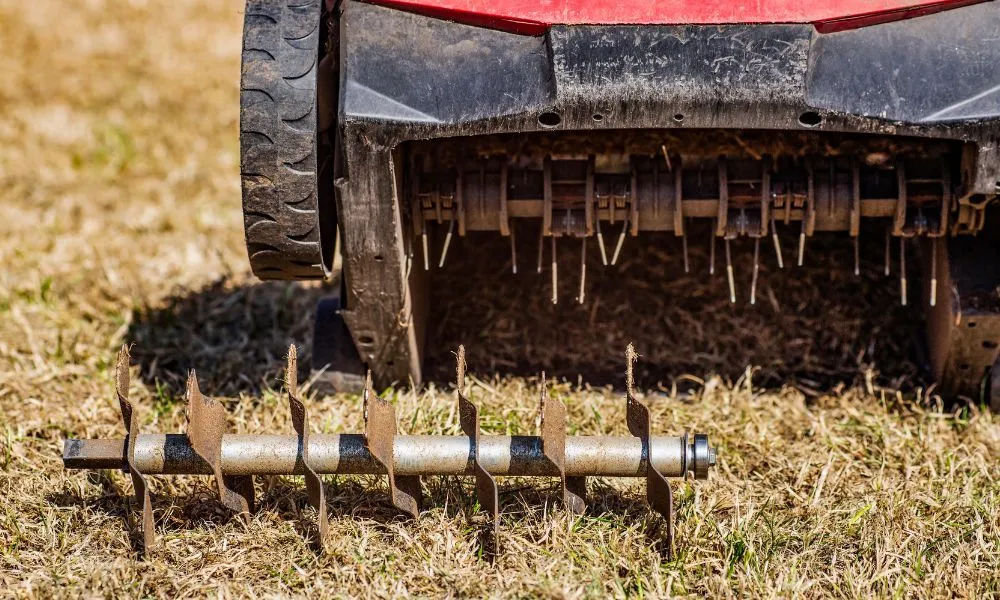
Not all aerators deliver the same results. One of the most common errors is using a spike aerator instead of a core aerator. Spike aerators simply poke holes in the ground, which can actually increase compaction around the holes rather than relieving it. Core aerators, on the other hand, remove plugs of soil, creating space for air, water, and nutrients to penetrate deeper into the root zone.
Homeowners often choose spike aerators because they are cheaper or easier to use, but they don’t provide the same long-term soil benefits.
How to avoid this mistake:
Another common mistake is aerating only lightly or avoiding certain areas altogether. Lawns often suffer the most compaction in high-traffic zones such as walkways, play areas, and near driveways. Skipping these areas limits the overall effectiveness of aeration and allows compaction problems to persist.
Uniform aeration is important, but extra attention should be given to the most compacted sections of the lawn.
How to avoid this mistake:
Aeration opens the soil, creating an ideal opportunity for improvement, but only if it’s followed by the right care. Many homeowners aerate and then resume poor mowing, watering, or fertilization habits that limit the benefits of the process. Post-aeration care is just as important as the aeration itself.
How to avoid this mistake:
Some homeowners aerate too often, believing more is always better, while others rarely aerate at all. Both extremes can be problematic. Excessive aeration can stress turf unnecessarily, while infrequent aeration allows compaction to build up over time. The right frequency depends on soil type, lawn use, and overall turf health.
How to avoid this mistake:
DIY aeration can be effective, but there are situations where professional services deliver better results. Lawns with severe compaction, large square footage, or uneven terrain can be difficult to aerate properly without commercial equipment.
Attempting aeration without the right tools or experience can lead to uneven coverage or minimal improvement. If your lawn is severely compacted and in need of professional care, call Blue Sky to take care of your lawn aeration needs in Virginia.
Q: How often should a homeowner aerate their lawn?
A: Most lawns only need aeration once per year. Lawns with heavy traffic or compacted clay soil may benefit from annual aeration, while healthier lawns can often wait two to three years between treatments.
Q: What is the most common aeration mistake homeowners make?
A: Aerating at the wrong time of year is the biggest mistake. Aeration should be done during the grass’s active growing season so the lawn can recover quickly and fill in properly.
Q: Is spike aeration as effective as core aeration?
A: No. Spike aeration can actually increase compaction by pushing soil aside, while core aeration removes plugs of soil and creates space for air, water, and nutrients to reach the roots.
Q: Can lawn aeration cause more weeds?
A: Aeration can temporarily expose soil, which may allow weeds to germinate if proper weed control isn’t in place. Pairing aeration with pre-emergent herbicide and healthy turf growth helps prevent this issue.
Q: Should I fertilize before or after aeration?
A: Fertilizing after aeration is more effective. The holes created allow nutrients to reach deeper into the soil, improving uptake and root development.
Q: How long does it take for a lawn to recover after aeration?
A: Most lawns recover within two to four weeks. Recovery time depends on grass type, weather conditions, and proper watering and maintenance after aeration.


