Last Updated:
June 25, 2026
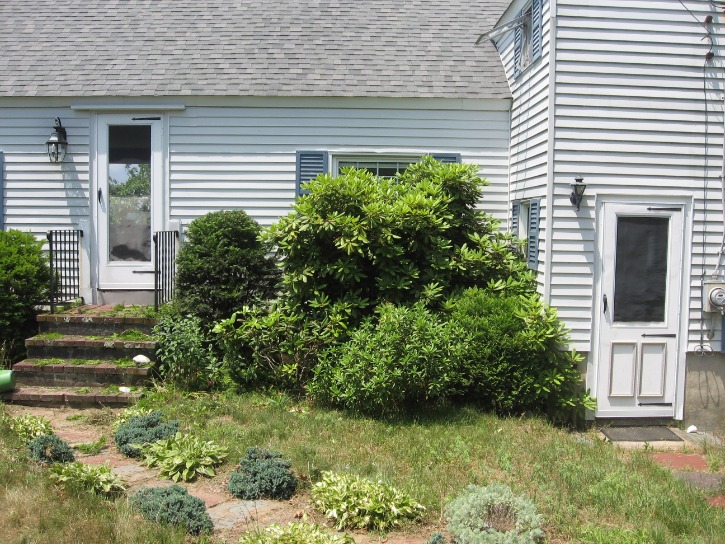
Shrubs planted near sidewalks, driveways, patios, entryways, and building foundations serve an important purpose in the landscape. They soften hard surfaces, add visual interest, and create a more welcoming appearance around the property. However, when these shrubs are not trimmed properly, they can quickly become overgrown and begin interfering with pedestrian traffic, vehicle access, windows, siding, and other landscape features.
Let's take a closer look at the best trimming techniques for shrubs growing near walkways, driveways, and buildings.
When trimming shrubs located near hardscape features, function should always come before aesthetics. A beautifully shaped shrub loses its appeal if it blocks a sidewalk, brushes against parked vehicles, or obstructs access to a front entrance.
Begin each trimming session by identifying areas where the shrub is extending beyond its intended space. Focus first on restoring proper clearance around pathways, driveways, windows, doors, and structures. Once adequate space has been created, you can refine the plant's overall shape.
Common areas that often require clearance trimming include:
One of the most common mistakes homeowners make is repeatedly shearing shrubs into tight geometric shapes. While this may provide a clean appearance temporarily, it often creates dense outer growth and weak interior branching.
Selective pruning is usually a better option for shrubs growing near buildings and walkways. Instead of trimming every branch uniformly, remove individual stems that are causing problems. This approach preserves the plant's natural form while controlling size more effectively.
Selective pruning helps:
Shrubs that grow directly against homes, garages, and other structures can create several maintenance concerns. Branches rubbing against siding may cause wear over time, while dense foliage pressed against exterior walls can trap moisture and restrict airflow.
When trimming foundation plantings, aim to maintain a small buffer zone between the shrub and the structure. This space allows air movement, improves access for maintenance, and helps reduce the risk of moisture-related issues.
Maintaining proper separation also makes it easier to inspect for pest activity, damaged siding, or other concerns that may otherwise remain hidden behind dense foliage.
Shrubs planted along sidewalks and pathways often experience some of the fastest growth because they receive regular irrigation and sunlight. Without routine maintenance, branches can begin extending into walking areas and create obstacles for residents and visitors.
When trimming near walkways, focus on preserving adequate horizontal clearance while also paying attention to lower branches that may droop into foot traffic areas. Removing these obstructions helps create safer and more comfortable access throughout the landscape.
Regular trimming can help prevent:
Not every shrub should be trimmed using the same method. Plants growing beside a driveway may require different shaping techniques than shrubs installed beneath windows or along a front porch.
For example, foundation shrubs often benefit from a slightly rounded or natural appearance that complements the architecture of the home. Shrubs near driveways may need more aggressive side trimming to prevent vehicle interference. Plants bordering walkways may require periodic lifting of lower branches to maintain pedestrian access.
Adjusting your trimming strategy based on location allows each shrub to serve its purpose without creating maintenance challenges elsewhere in the landscape.
Many trimming issues become more difficult to correct when shrubs are allowed to grow unchecked for extended periods. Small branches that begin extending toward a building or walkway are much easier to manage than large, established stems that require major pruning.
Routine inspections help identify developing problems before they become significant. Rather than waiting until shrubs are clearly overgrown, consider performing occasional touch-up pruning throughout the growing season.
Watch out for:
While keeping shrubs away from structures is important, excessive pruning can be equally problematic. Over-trimmed shrubs may develop sparse growth, unnatural shapes, and increased stress that affects long-term health.
Instead of dramatically reducing shrub size each year, focus on maintaining the plant within its available space through gradual pruning. Selecting shrub varieties that match the planting location can also reduce the need for constant size control.A balanced approach helps preserve the appearance of foundation plantings while preventing them from becoming oversized.
Shrubs located near walkways, driveways, and buildings require thoughtful maintenance to remain both attractive and functional. By prioritizing clearance, using selective pruning techniques, maintaining proper spacing from structures, and addressing growth before it becomes excessive, homeowners can enjoy healthier shrubs and a more polished landscape.
The best trimming techniques focus on guiding growth rather than simply reducing size. With regular attention and proper pruning methods, landscape shrubs can enhance curb appeal while continuing to complement the surrounding hardscape and architecture.
Q: How far should shrubs be kept from a house?
A: While spacing varies by plant size, maintaining a gap between shrubs and exterior walls helps improve airflow, reduce moisture retention, and simplify maintenance.
Q: Should shrubs touch sidewalks or driveways?
A: Ideally, no. Shrubs should be trimmed to maintain clear access and prevent branches from extending into pedestrian or vehicle traffic areas.
Q: Is shearing or hand pruning better for foundation shrubs?
A: In many cases, selective hand pruning produces healthier growth and a more natural appearance than frequent shearing.
Q: How often should shrubs near walkways be trimmed?
A: Growth rates vary, but shrubs located near high-traffic areas often benefit from periodic maintenance throughout the growing season to maintain clearance.
Q: Can overgrown shrubs damage a building?
A: Shrubs pressed against siding can trap moisture, hide maintenance issues, and potentially contribute to exterior wear over time.
Q: What's the biggest mistake people make when trimming foundation shrubs?
A: One of the most common mistakes is repeatedly shearing the exterior without thinning interior growth, which can lead to dense outer foliage and declining plant health.


