Last Updated:
August 29, 2026
Virginia lawns experience everything from heavy spring rainfall to intense summer thunderstorms, making proper drainage an important part of maintaining healthy turf. When excess water cannot drain properly, it can leave behind standing puddles, soggy soil, erosion, and conditions that contribute to lawn problems.
The best drainage solution depends on the property's layout, soil conditions, and where water tends to collect. Here are six common drainage options that can help manage excess water and protect Virginia lawns and landscapes.
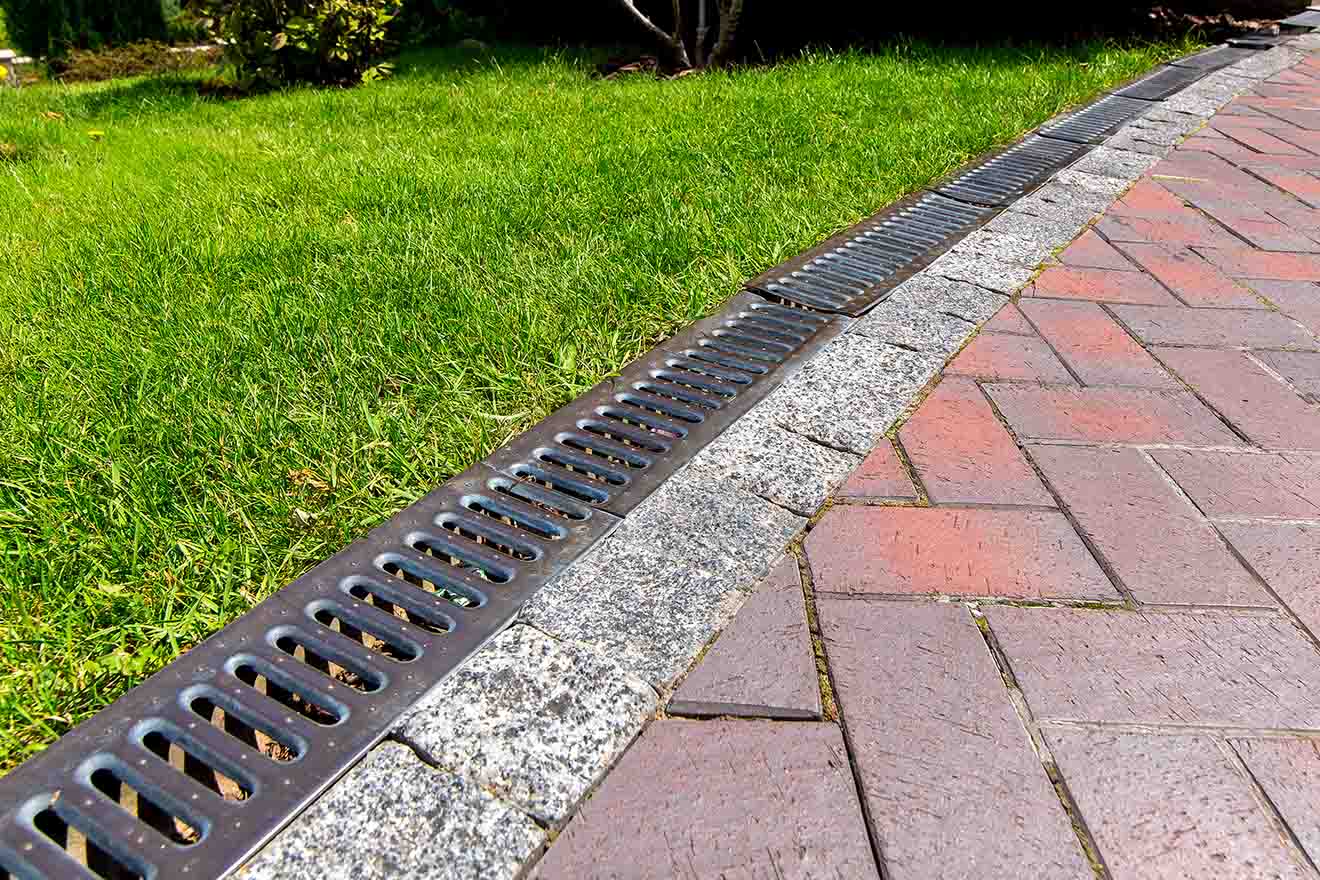
Surface drains collect rainwater from low areas and redirect it away from the lawn. They can be especially useful on Virginia properties where heavy storms cause water to pool in certain parts of the yard.
These drains can be installed with grates or covers that blend into the surrounding landscape while allowing water to enter the drainage system quickly.
Benefits include:
Trench drains are long, narrow channels designed to collect and redirect surface runoff. They are particularly useful around patios, driveways, walkways, and other hard surfaces where rainwater can quickly flow toward the lawn.
Their linear design allows them to collect substantial amounts of water while remaining relatively unobtrusive when properly installed.
Benefits include:

French drains use a gravel-filled trench and perforated pipe to collect excess water from the surrounding soil and move it away from problem areas. They can be a good option for Virginia lawns that remain excessively wet after periods of heavy rainfall.
Because the system works below the surface, a French drain can address drainage problems without significantly changing the appearance of the lawn or landscape.
Benefits include:
Dry wells collect excess water underground and allow it to gradually disperse into the surrounding soil. They can be used to manage runoff from roofs, drainage systems, and other areas where large amounts of water need to be redirected.
For properties with adequate soil drainage, dry wells can provide an effective way to manage water without taking up valuable lawn or landscape space.
Benefits include:
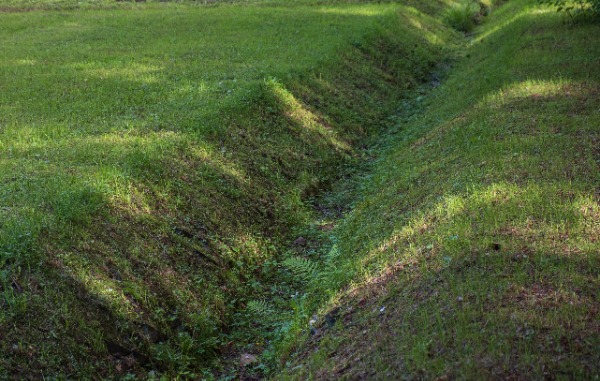
Swales are shallow, gently sloped depressions that guide water across a property while slowing its flow. They can be designed with grass, native plants, rocks, or other landscaping features to create a drainage solution that looks like a natural part of the yard.
Swales can also help reduce the speed of runoff, which may limit erosion and allow more water to soak into the soil.
Benefits include:
Catch basins, sometimes called yard drains, collect rainwater through a grated opening and direct it into an underground drainage system. They are particularly useful in low areas where Virginia's frequent rainfall creates recurring standing water.
The basin collects water and debris before sending runoff through connected drainage pipes, helping keep water away from areas where it could damage the lawn or landscape.
Benefits include:
Proper drainage can make a major difference in the health and appearance of a Virginia lawn. Addressing excess water can help reduce standing puddles, soil erosion, and overly wet conditions that can affect turf and landscaping.
If your lawn regularly stays wet after rainfall or develops persistent puddles, a professional drainage assessment can help determine whether a French drain, catch basin, surface drain, swale, or another solution is appropriate for your property.
Q: Why is proper lawn drainage important in Virginia?
A: Virginia's heavy rainfall and summer storms can leave excess water in lawns. Proper drainage helps reduce standing water, erosion, and overly saturated soil.
Q: What is the best drainage system for a Virginia lawn?
A: There is no single solution for every property. The best option depends on the location of the water, soil conditions, property grade, and amount of runoff.
Q: How do I stop water from pooling in my yard?
A: Solutions may include surface drains, French drains, catch basins, swales, or other grading and drainage improvements designed to redirect excess water.
Q: Are French drains good for lawns?
A: French drains can be effective for lawns that experience persistent wet areas or standing water because they collect water below the surface and redirect it away from the problem area.
Q: Can poor drainage damage my grass?
A: Yes. Consistently saturated soil can create stressful growing conditions for grass and may contribute to erosion, thinning turf, and other lawn problems.
Q: Should I have my lawn drainage professionally evaluated?
A: If water consistently pools in the same areas or your lawn remains soggy after rainfall, a professional evaluation can help identify the source of the problem and determine an appropriate drainage solution.


