Last Updated:
November 21, 2026
As winter comes to an end and Virginia lawns begin waking up from dormancy, homeowners start preparing for fertilization, weed control, and other seasonal treatments. Spring is an excellent time to test your lawn's soil because it helps identify nutrient deficiencies, evaluate soil acidity, and uncover potential problems before grass enters its most active growing period.
Virginia's soil conditions vary throughout the state, with some areas containing naturally acidic clay soils and others having sandier soil that drains more quickly. Testing in spring gives homeowners a better understanding of what is happening beneath their grass and helps determine which lawn treatments will support healthy growth throughout the year.
Spring provides a convenient opportunity to collect soil samples and prepare for the upcoming lawn care season. As Virginia temperatures begin to rise, the ground becomes easier to work with, making it a practical time to evaluate soil conditions before grass enters its active growth period.
Testing early also gives homeowners time to review their results and make necessary adjustments before summer heat and humidity place additional stress on Virginia lawns. This is particularly important for warm-season grasses like bermudagrass and zoysiagrass, which begin actively growing as temperatures increase. Rather than waiting until grass shows signs of nutrient deficiencies, spring testing allows you to plan ahead.
A few things to keep in mind when choosing the right time to collect your sample include:
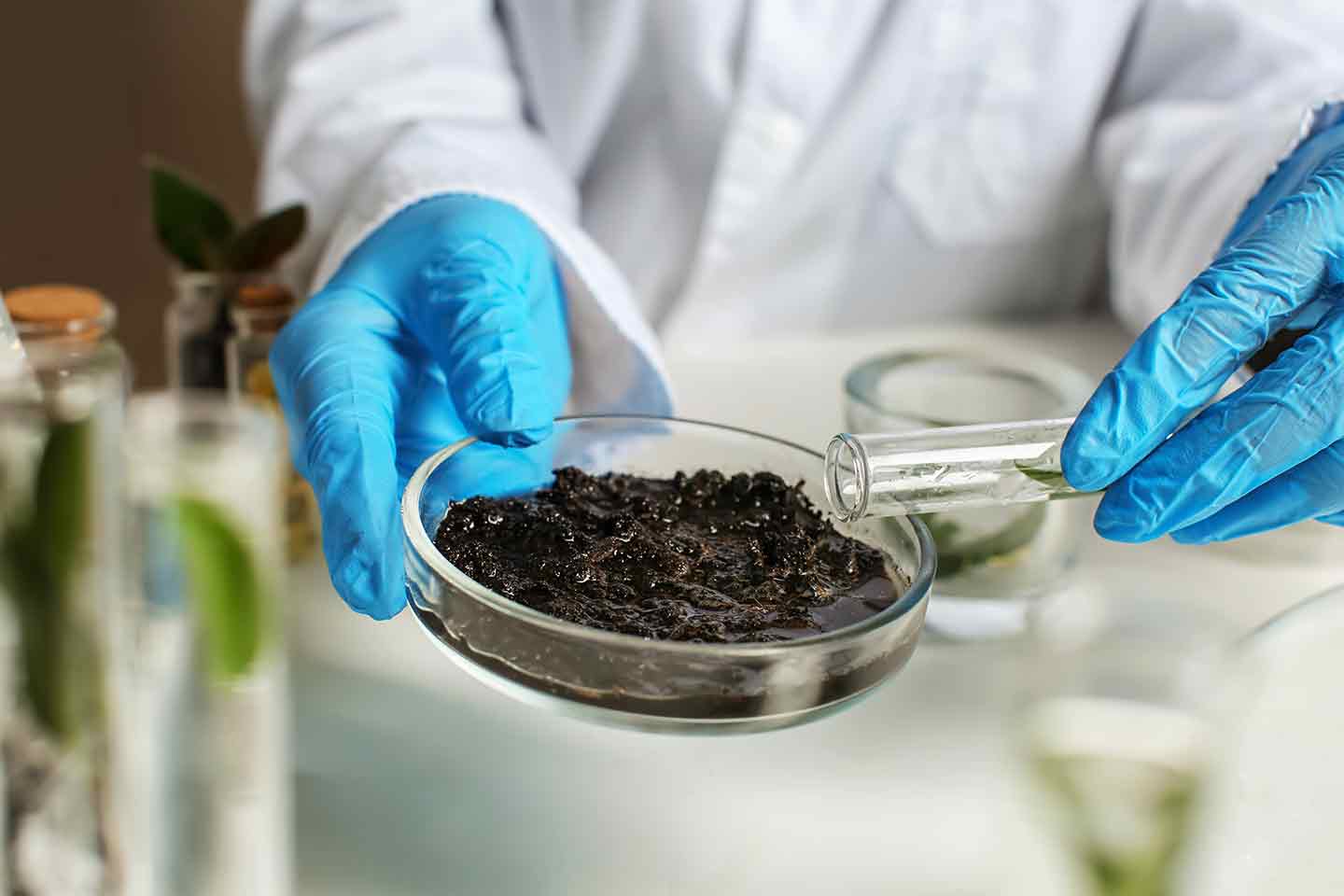
Many Virginia properties have naturally acidic soil, which can affect how well grass absorbs essential nutrients. This is particularly common in parts of the Piedmont and Coastal Plain, where soil characteristics can vary considerably between properties. Spring soil testing helps determine whether your lawn's pH falls within the preferred range for your particular grass variety.
Most common Virginia lawn grasses perform well in slightly acidic soil, generally with a pH between 6.0 and 6.5. If your results indicate that the soil is too acidic, you may need to apply lime to help correct the imbalance. However, the amount needed will depend on your existing pH and soil characteristics. Testing before the growing season helps you determine whether an application is necessary instead of adding lime without knowing your soil's actual conditions.
Grass relies on essential nutrients to develop strong roots, maintain healthy color, and produce new growth. As Virginia lawns transition out of winter, spring is a useful time to evaluate whether the soil contains the nutrients needed to support the upcoming growing season.
A soil test measures important nutrients, including phosphorus and potassium, and provides recommendations based on your property's existing conditions. Nitrogen is also essential for grass growth, but routine soil tests generally do not provide reliable nitrogen recommendations for established lawns.
Testing can help identify whether your lawn would benefit from adjustments to its nutrient levels, including:
Fertilizer is an important part of maintaining a healthy Virginia lawn, but applying nutrients without understanding your soil conditions can lead to unnecessary treatments. If certain nutrients are already present in sufficient amounts, adding more fertilizer may provide little benefit.
Spring soil testing allows you to review nutrient levels before planning your seasonal fertilizer applications. This is particularly important in Virginia, where heavy spring and summer rainfall can carry excess nutrients into nearby streams, ponds, and other waterways. Phosphorus runoff can contribute to water quality problems, making responsible fertilizer use especially important.
Rather than following the same fertilizer schedule every year, use your soil test results to determine which nutrients your lawn actually needs. This can help you avoid excessive applications while developing a treatment plan that supports healthy grass growth throughout Virginia's changing seasons.
Getting accurate soil test results starts with collecting a representative sample. Rather than taking soil from just one location, collect small samples from several areas throughout your yard. This provides a better overall picture of the conditions affecting your lawn.
For established turfgrass, samples should generally come from the top 3 to 4 inches of soil. Areas with noticeably different growing conditions, drainage, soil types, or maintenance histories should be tested separately. This can be particularly helpful for Virginia properties where clay-heavy sections and sandy areas may have different nutrient needs.
Before sending your sample to a laboratory, keep these tips in mind:
Q: When should I test my lawn's soil in Virginia?
A: Early spring is a convenient time to test your soil before the growing season gets underway. Testing ahead of active growth gives you time to review the results and plan necessary treatments. Samples can be collected throughout the year as long as the soil is workable and hasn't recently received fertilizer or lime.
Q: How often should I have my lawn's soil tested?
A: Established lawns generally benefit from soil testing every three years. More frequent testing may be helpful if your lawn has persistent growth problems or previous results indicate significant nutrient imbalances.
Q: What is the ideal soil pH for Virginia lawns?
A: Most common Virginia turfgrass varieties grow well in slightly acidic soil with a pH between 6.0 and 6.5. A soil test can determine whether your property's pH falls within this range.
Q: Does every Virginia lawn need lime in the spring?
A: No. Although acidic soil is common throughout Virginia, not every property needs lime. A soil test should determine whether an application is necessary and how much should be used.
Q: Can I test my soil after applying fertilizer?
A: It's best to collect samples before applying fertilizer or lime. Recent applications can affect nutrient readings and make the results less representative of your soil's normal conditions.


