Last Updated:
March 14, 2026
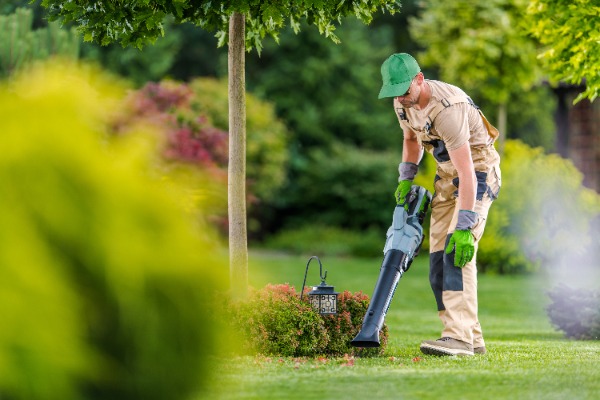
Yard cleanup services are designed to restore order and cleanliness to properties that have accumulated debris, overgrowth, and neglected plants. A professional cleanup focuses on removing these materials and reshaping the landscape so the property looks neat, organized, and ready for ongoing maintenance.
Below are the most common tasks that are typically included with a comprehensive yard cleanup service.
Leaves, twigs, and other organic debris naturally accumulate across a yard throughout the year. While a few scattered leaves may not cause problems, large amounts can quickly build up and begin to smother grass, block sunlight, and trap moisture against the soil surface. This environment can encourage fungal growth, lawn disease, and pest activity. Removing this debris is often the first and most important step in restoring a yard’s health and appearance.
Professional cleanup crews use specialized tools to quickly gather and remove organic debris from lawns, garden beds, and hard surfaces. The goal is to clear the property while protecting the turf underneath.
Typical debris removal steps include:
In addition to visible debris, lawns often accumulate a layer of dead grass clippings and plant material near the soil surface. This layer, known as thatch, can interfere with the lawn’s ability to absorb water, oxygen, and nutrients when it becomes too thick. A yard cleanup service often includes surface-level clearing to help the turf breathe and recover.
By loosening and removing excess organic buildup, lawn cleanup services improve the growing environment for grass and help prepare the lawn for future treatments such as fertilization or aeration.
Common lawn cleanup tasks include:
Landscape beds can quickly become overgrown when weeds, dead plant material, and fallen debris accumulate. This not only detracts from the appearance of the yard but also allows invasive plants to compete with flowers, shrubs, and ornamental plants for water and nutrients. Cleaning out garden beds helps restore the structure and visual appeal of the landscape.
During a cleanup service, landscaping professionals remove unwanted growth and clear away organic debris so the beds look neat and properly defined again.
Typical flower bed cleanup tasks include:
Overgrown shrubs and hedges can make a yard appear messy and unmaintained. Regular trimming helps maintain the shape of ornamental plants while also improving their long-term health. When shrubs are allowed to grow unchecked, they can block sunlight, restrict airflow, and develop uneven growth patterns.
Yard cleanup services often include light pruning and shaping to restore a tidy, balanced appearance to the landscape. This trimming also encourages new growth and helps plants maintain a more compact form.
Shrub trimming typically includes:
Leaves, dirt, and debris don’t just accumulate on the lawn—they also collect on hard surfaces like patios, sidewalks, and driveways. When these areas become covered with organic debris, they can appear neglected and may even become slippery or unsafe.
As part of a yard cleanup service, crews typically restore these visible areas so the entire property looks refreshed and well cared for.
Surface cleanup tasks usually include:
After the main cleanup work is complete, landscaping crews usually finish the service with a final pass through the yard to make sure everything looks polished. This step ensures that no debris piles remain and that the property appears neat from every angle.
A professional cleanup also includes hauling away the collected yard waste so homeowners do not have to worry about disposal. Removing debris from the property is an important part of completing the job properly.
Final cleanup steps typically include:
Q: How long does a typical yard cleanup service take?
A: The time required depends on the size of the yard and how much debris has accumulated. Smaller properties with light debris may only take a few hours, while heavily overgrown yards or larger properties may require most of the day to complete.
Q: When is the best time of year to schedule a yard cleanup?
A: Many homeowners schedule yard cleanups in early spring or late fall. Spring cleanups prepare the yard for the growing season, while fall cleanups remove leaves and organic debris before winter weather arrives.
Q: Do yard cleanup services include hauling away the debris?
A: Most professional services include debris removal as part of the cleanup. Leaves, branches, and plant waste are typically loaded and hauled away so the property is left clean and free of piles.
Q: Will yard cleanup services remove weeds?
A: Yes, many cleanup services include basic weed removal from landscape beds and visible areas of the yard. However, long-term weed prevention may require additional treatments or ongoing maintenance services.
Q: Is yard cleanup the same as regular lawn maintenance?
A: No. A yard cleanup is typically a larger, one-time service that focuses on clearing debris and restoring the landscape. Regular lawn maintenance usually involves recurring tasks like mowing, edging, and trimming.
Q: Can a yard cleanup help improve lawn health?
A: Yes. Removing leaves, thatch buildup, and debris allows grass to receive more sunlight, airflow, and nutrients. This can help lawns recover from stress and prepare them for fertilization, aeration, or overseeding services.


