Last Updated:
July 23, 2026
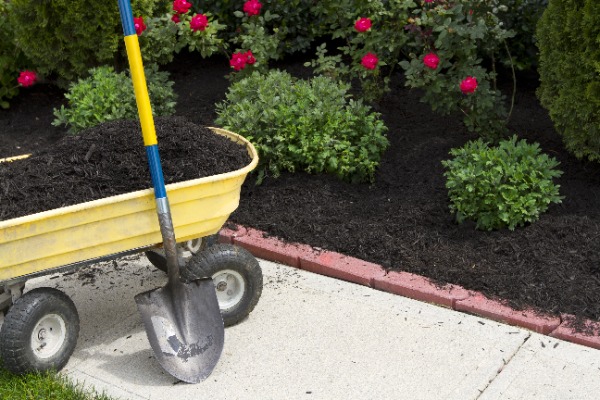
Installing mulch often feels like the easiest job in the yard. Grab a few bags, dump them around your plants, spread it out, done. However, mulch is doing a lot more work than most people give it credit for, and a handful of small missteps can turn a helpful layer of protection into a source of real trouble for your plants.
If you've ever wondered why your mulch looks fine but your plants still seem stressed, one of these mistakes is probably the culprit. Let's dig into the most common ones and how to steer clear of them.
A lot of homeowners treat mulching like a one-and-done spring chore. Slap it down in April, forget about it, move on with life. But timing actually matters more than most people realize.
Mulch does two very different jobs depending on the season. It locks in moisture and blocks weeds during the growing season, and it insulates roots against temperature swings in the colder months. Put it down too early or too late, and you miss out on one of those benefits entirely.
Nobody thinks to check the soil before mulching, but you probably should. Mulch applied over parched, dusty soil just sits there; it won't help trap in moisture that isn't there to begin with. And mulch piled onto soggy, waterlogged ground can trap excess moisture against roots, inviting rot and fungal issues.
A quick watering session a day or so before you mulch usually gets things into a happy medium. You're looking for soil that's damp, not muddy and not dusty, before you ever pick up a wheelbarrow.
Walk into any garden center and you'll find a wall of mulch options, and honestly, they are not interchangeable. Homeowners often grab whatever's cheapest or most convenient without thinking about what their beds actually need.
The right mulch depends on what you're covering: vegetable beds, perennial borders, and trees all benefit from different materials. A little research (or a quick call to a pro) goes a long way here.
This is the one almost everyone gets wrong in one direction or the other. A thin, sad little dusting of mulch barely does anything, as weeds punch right through it and moisture evaporates just as fast as before.
On the other hand, a pile of mulch that's too deep can suffocate roots, trap excess moisture against the stem, and even encourage pests to move in. The sweet spot for most garden beds is somewhere around two to three inches, enough to smother weeds and hold in moisture, without burying your plants alive. Pay extra attention to:
Mulch is fantastic at preventing new weeds, but it does almost nothing to stop the ones already lurking underneath. Spreading mulch over a bed full of existing weeds is basically giving them a cozy blanket to keep growing under.
Take the time to pull or treat existing weeds, and consider laying down a thin layer of compost or a breathable weed barrier first, before adding your mulch on top. Skip this step and you'll be fighting the same weeds all season long, just with extra work to move the mulch out of the way first.
If there's one image every arborist wishes would disappear forever, it's the mulch "volcano," that cone-shaped pile stacked right up against a tree trunk. It looks tidy, but it's genuinely one of the worst things you can do to a tree.
Mulch piled against bark traps moisture against the trunk, which invites rot, disease, and unwanted pests. Instead, keep mulch pulled back a few inches from the base of trunks and stems, so you get a donut shape rather than a volcano.
Mulch helps retain moisture, but it isn't a substitute for actually watering your plants, especially right after you've applied a fresh layer. New mulch can initially prevent light rainfall or a quick sprinkle from reaching the soil underneath.
Give your beds a good, deep watering right after mulching so moisture reaches the roots before the mulch layer settles in. After that, a proper watering schedule helps:
Q: How often should I mulch my garden beds?
A: Most beds do well with a fresh layer once or twice a year, typically in spring and again in fall, depending on how quickly your existing mulch breaks down.
Q: Can I just add new mulch on top of old mulch?
A: Usually, yes, as long as the old layer isn't matted down or excessively thick already. If it's built up past three or four inches total, it's worth removing some before adding more.
Q: Is it okay to fertilize before mulching?
A: Yes, applying fertilizer before you mulch is a great combo, since the mulch helps hold moisture in place and gives nutrients time to soak into the soil.
Q: Should I water my beds before mulching?
A: Generally, yes. A light watering a day or so beforehand helps the soil reach that ideal damp-but-not-soggy state, which makes it easier for moisture and nutrients to move through once mulch is down.
Q: Will mulch stop weeds completely?
A: Mulch dramatically cuts down on new weed growth, but it isn't a total weed barrier, especially if existing weeds weren't cleared first or if the layer is too thin.
Q: How soon will I notice a difference after mulching?
A: Moisture retention improves almost right away, but the bigger payoffs, healthier soil, fewer weeds, stronger root systems, usually show up over the following weeks, especially when paired with proper watering and a bit of seasonal upkeep.


