Last Updated:
September 12, 2026
Regular lawn care helps maintain the soil structure and turf growth needed for better water absorption. Tasks such as aeration, mowing, watering, fertilization, and overseeding may seem primarily cosmetic, but they also affect what happens below the surface when your lawn drains.
With the right maintenance, homeowners can create healthier soil that absorbs rainfall more efficiently and reduces problems such as standing water and runoff.
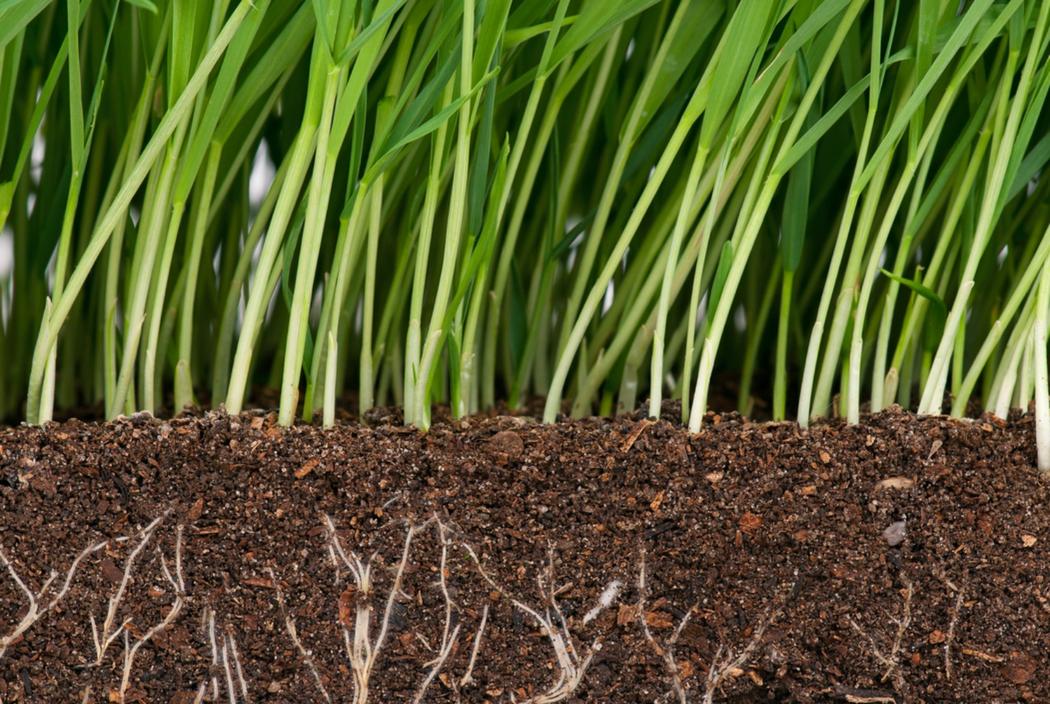
Water needs open spaces in the soil to move downward. Healthy soil contains pores that hold both air and moisture, allowing roots to access what they need.
Compaction reduces these spaces. When soil particles are pressed tightly together, rainfall may sit on the surface or flow away before reaching the roots. Common causes of lawn compaction include:
Core aeration is one of the most useful lawn care practices for improving infiltration. A core aerator removes small plugs of soil from the lawn, leaving behind openings through which water and air can travel.
These openings also give grass roots additional room to grow. Over time, improved root development can contribute to better soil structure.
Aeration is particularly beneficial for lawns that receive heavy foot traffic or have dense, compacted soil. It can also help areas where rainfall frequently sits on the surface instead of soaking in.
Too much water can be just as problematic as too little. When irrigation runs longer than the soil can absorb, water may pool or run across the lawn.
A better approach is to adjust watering according to the lawn's actual needs. Rainfall, temperature, grass type, soil conditions, and the season should all be considered. Watch for signs that your irrigation is contributing to poor drainage, including:
The way a lawn is mowed can indirectly affect drainage. Heavy equipment repeatedly traveling over wet soil can increase compaction, particularly in areas that already have drainage problems.
Whenever possible, avoid mowing extremely wet grass. Allowing the soil to dry enough to support the mower reduces the amount of pressure placed on the ground.
Grass height matters, too. Cutting too much of the blade at once can stress the plant and weaken its growth. Following the one-third rule and keeping mower blades sharp encourages healthier turf.
Thatch consists of dead grass, roots, stems, and other organic material that accumulates between the grass and soil. A small amount is normal, but a thick layer can interfere with water reaching the ground.
If excessive thatch has developed, dethatching can open the surface and allow moisture to penetrate more effectively. However, not every lawn needs dethatching. Removing a normal amount of thatch can unnecessarily stress the lawn, so the thickness of the layer should be evaluated first.
Grass roots do more than anchor plants. As they grow through the soil, they create small channels that can help water move downward.
Deep, healthy roots also allow grass to access moisture farther below the surface. This makes the lawn less dependent on frequent, shallow irrigation.
Root development is supported by:
Fertilizer will not repair a drainage problem by itself, but proper nutrition can help grass develop stronger roots and denser growth.
Thin turf leaves more soil exposed to rainfall, which can increase erosion and runoff. A dense lawn provides better coverage and helps protect the soil surface.
A soil test can determine whether nutrients are lacking. This allows fertilization to be based on actual soil conditions rather than simply applying more fertilizer when the lawn looks unhealthy.
Bare and thin patches can contribute to runoff because there is little vegetation protecting the soil. Overseeding can help increase turf density and restore coverage. As new grass establishes, its roots help hold soil together and create additional pathways through the roots.
Overseeding is most effective when the underlying reason for thinning grass has been addressed. If an area stays wet because of poor grading or another drainage problem, adding seed alone will not solve it.
Grass type also matters. Different species have different root structures, growing habits, and moisture requirements.
Selecting a grass that fits the local climate, sunlight conditions, and soil can make it easier to maintain healthy turf. A poorly suited grass may struggle even when it receives consistent maintenance. When establishing a new lawn or repairing an existing one, consider drainage along with factors such as:

Poor drainage is often easy to spot once you know what to look for. Pay attention to areas that behave differently from the rest of the property.
If only one part of the lawn has a problem, localized compaction or grading may be responsible. If water is collecting throughout the property, the underlying issue may be more extensive. Potential warning signs include:
Q: Does aeration help with standing water?
A: Aeration can improve water infiltration when compaction is contributing to the problem. It may not resolve standing water caused by poor grading or major drainage issues.
Q: Can overwatering cause poor drainage?
A: Yes. Applying more water than the soil can absorb can lead to puddling, runoff, and prolonged saturation.
Q: How does mowing affect soil drainage?
A: Mowing wet soil with heavy equipment can increase compaction. Maintaining proper grass height also supports healthier roots and stronger turf.
Q: Should every lawn be dethatched?
A: No. Dethatching is generally only needed when excessive thatch has accumulated and is interfering with water, air, or nutrients reaching the soil.
Q: Can fertilizer improve soil drainage?
A: Fertilizer does not directly improve drainage, but proper fertilization can support stronger roots and denser turf, which can help the lawn manage water more effectively.
Q: What is the best way to improve lawn drainage?
A: Start by identifying the cause. Aeration, proper irrigation, dethatching, and improved turf health can help with some drainage problems, while grading or dedicated drainage systems may be necessary for more serious issues.


